Freight class calculator
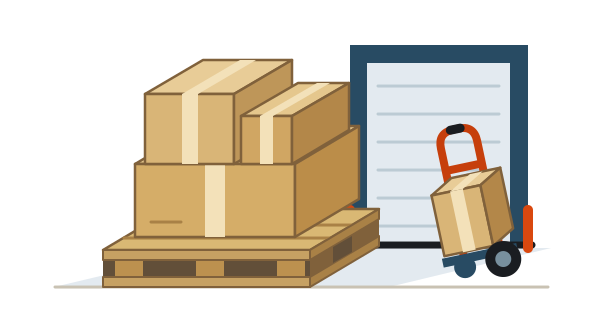
Enter packaged dimensions, quantity, and weight. Get density, an estimated class, and the distance to the next boundary.
Estimated freight class
Distance to next class
Class 92.5 starts at 10 lb/ft³. You are 0.625 lb/ft³ below it. At the same weight, that means 6.25% less volume.
- 400
- 300
- 250
- 175
- 125
- 100
- 92.5
- 85
- 70
- 65
- 60
- 55
- 50
Confirm item-specific classification with your carrier. Mixed items may need separate classes. Method and limitations.
- Length
- 48 in
- Width
- 40 in
- Height
- 48 in
Example loaded: one 48 × 40 × 48 in pallet weighing 500 lb. Edit to calculate your shipment.
Calculations run in your browser. Scale checked October 25, 2026.
A 500 lb pallet, step by step
This class 100 example measures 48 × 40 × 48 inches, including its packaging.
= 53.333… ft³
Density = 500 ÷ 53.333…
= 9.375 lb/ft³ → class 100
At the same 500 lb, class 92.5 begins at 50 ft³: 6.25% less volume. This is an arithmetic target; packaging must remain suitable for the goods.
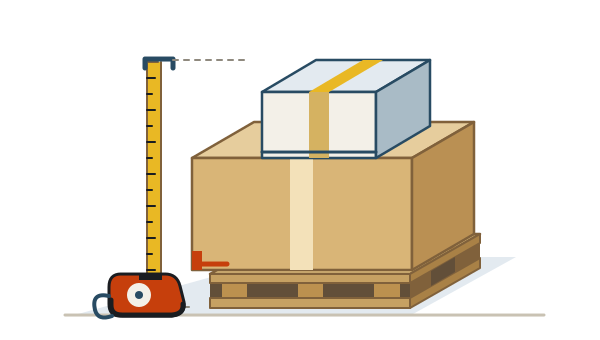
Reference desk
Preparing a parcel? Compare dimensional weight with actual weight using the applicable divisor.
Browse all freight tools, shipping guides, and density-class examples.
Using an older chart?
The 2025 13-tier scale and the familiar legacy 18-class guideline do not give the same answer at every density. For example, 8 lb/ft³ maps to class 100 here and class 110 on that legacy guideline.
Read what changed in 2025New to classification? Read what freight class means before using a density estimate on shipment paperwork.
Questions before you ship
How do I estimate freight class?
Measure the packaged length, width, and height in inches. Multiply them and divide by 1,728 to get cubic feet per piece. Multiply by quantity, divide total packaged weight in pounds by total cubic feet, and match the unrounded density to the applicable density band. Confirm that your freight item actually uses this scale.
Does the pallet count toward dimensions and weight?
Yes. Enter the outside dimensions and total weight of the finished handling unit, including the pallet and packaging. Measure overhang at its furthest point.
What happens at exactly 8 pounds per cubic foot?
On the 13-tier scale used here, exactly 8 lb/ft³ is class 100. A density below 8 remains class 125 until it reaches the boundary. Calculations use unrounded density; the displayed value is rounded for readability.
Can I use one average class for different pallets?
The calculator shows combined shipment density and separate group estimates. A combined estimate does not establish that differently packaged goods or different commodities share one class. Confirm how your carrier requires each handling unit or item to be classified.
What is my freight class?
The result here is a density-based estimate. Your actual class depends on the applicable commodity provision, packaging and carrier terms. Confirm those details through current NMFC information or your carrier before entering a class on shipping paperwork.
What are LTL freight classes?
They are categories assigned under the National Motor Freight Classification using density, handling, stowability and liability. This tool uses the public 13-tier density scale; that scale does not determine which commodity item or other provisions apply.
Sources & scope
Reviewed October 25, 2026. Density scale effective July 19, 2025.
Last updated